Can You Compost Bread, Pasta, and Cooked Food? A Clear Guide
Can you compost bread, pasta, and cooked food? Yes, with a few smart precautions. Here's how to do it without pests, odors, or a slimy mess.
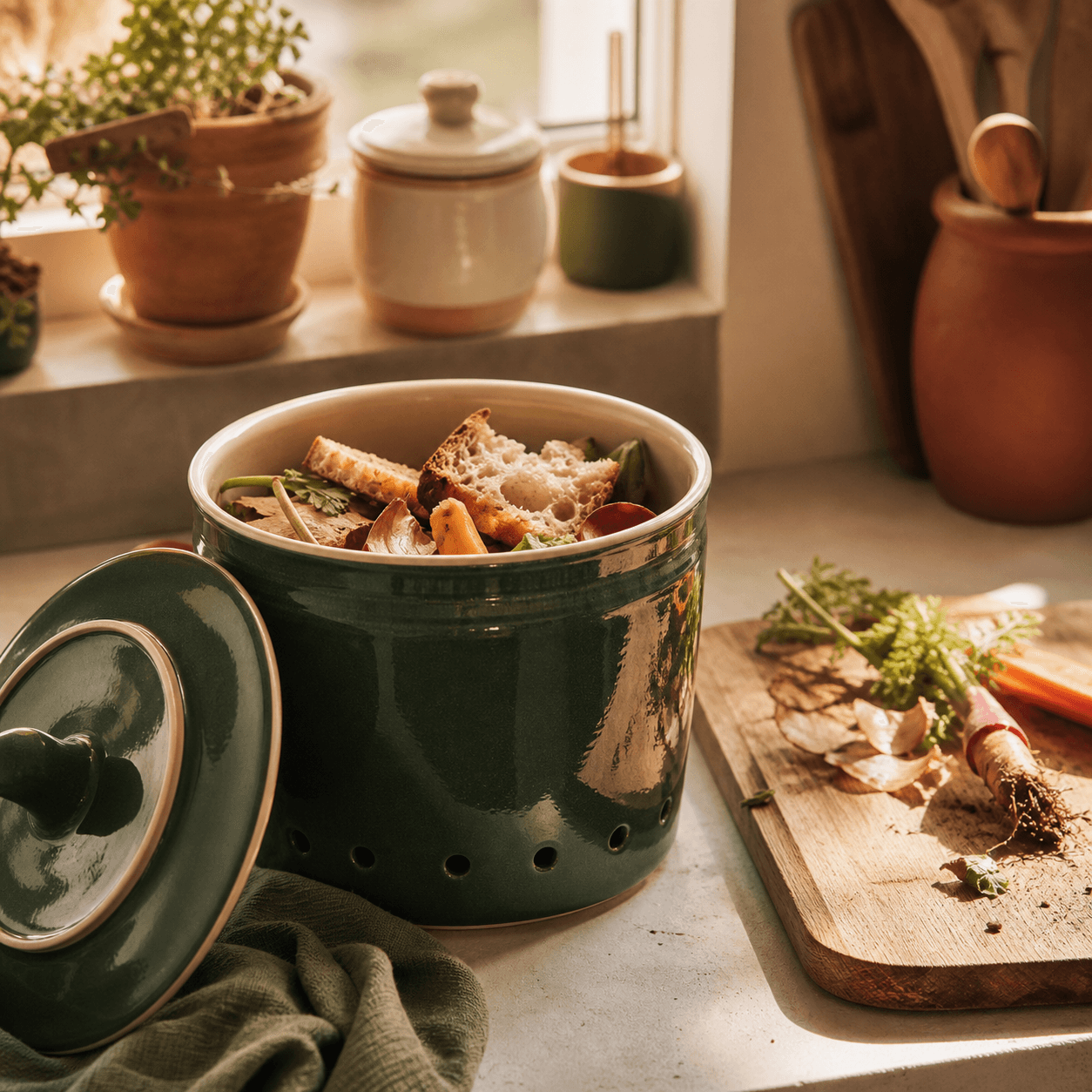
That heel of bread nobody eats, the pasta left too long in the pot, the rice from last night's takeout: it feels wasteful to toss it, but you're not sure it belongs in the compost. The good news is that yes, you can compost bread, pasta, and cooked food, and doing it right keeps perfectly good organic matter out of the landfill.
The reason it feels risky is that these foods behave differently from a banana peel or coffee grounds. A little know-how is all it takes to add them without inviting problems.
The Short Answer, With Nuance
Bread, pasta, rice, and cooked vegetables are all plant-based, and plant-based means compostable. Because cooking has already broken down their structure, they actually decompose faster than many raw scraps.
The complications aren't about whether they'll rot. They're about what happens along the way:
- Pests: Soft, starchy, aromatic food is exactly what rodents, raccoons, and flies come looking for.
- Odor: Buried too shallow or piled too thick, these foods can go sour and smelly.
- Oils and sauces: Butter, heavy oil, and salty sauces slow decomposition and worsen the pest problem.
So the real question isn't "can you," it's "how do you do it without regret." That comes down to technique.
What's Fine and What to Skip
Most simple cooked foods are welcome in a backyard pile if you follow good practice.
Generally fine:
- Plain bread, rolls, crusts, stale crackers
- Cooked pasta and rice without heavy sauce
- Steamed or roasted vegetables
- Beans and grains
- Plain baked goods in small amounts
Best avoided in a backyard bin:
- Meat, fish, and bones
- Cheese, milk, butter, and other dairy
- Greasy, deep-fried, or oil-soaked foods
- Anything heavy with salt, sugar, or rich sauce
Meat and dairy aren't impossible to compost, but they generate strong odors and draw animals, which is why home guidance almost always leaves them out. A managed hot pile or a bokashi system can handle them; an open backyard heap usually can't.
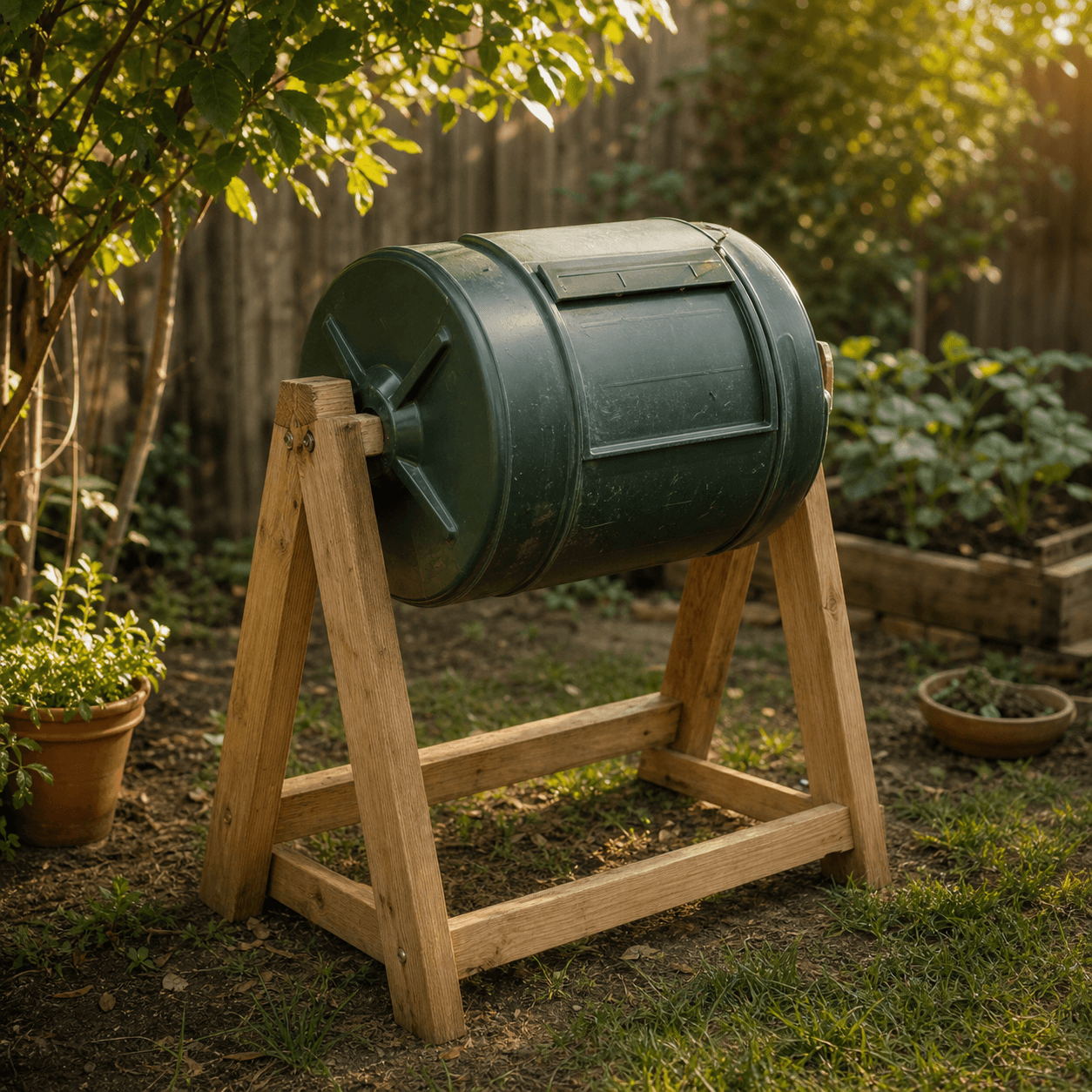
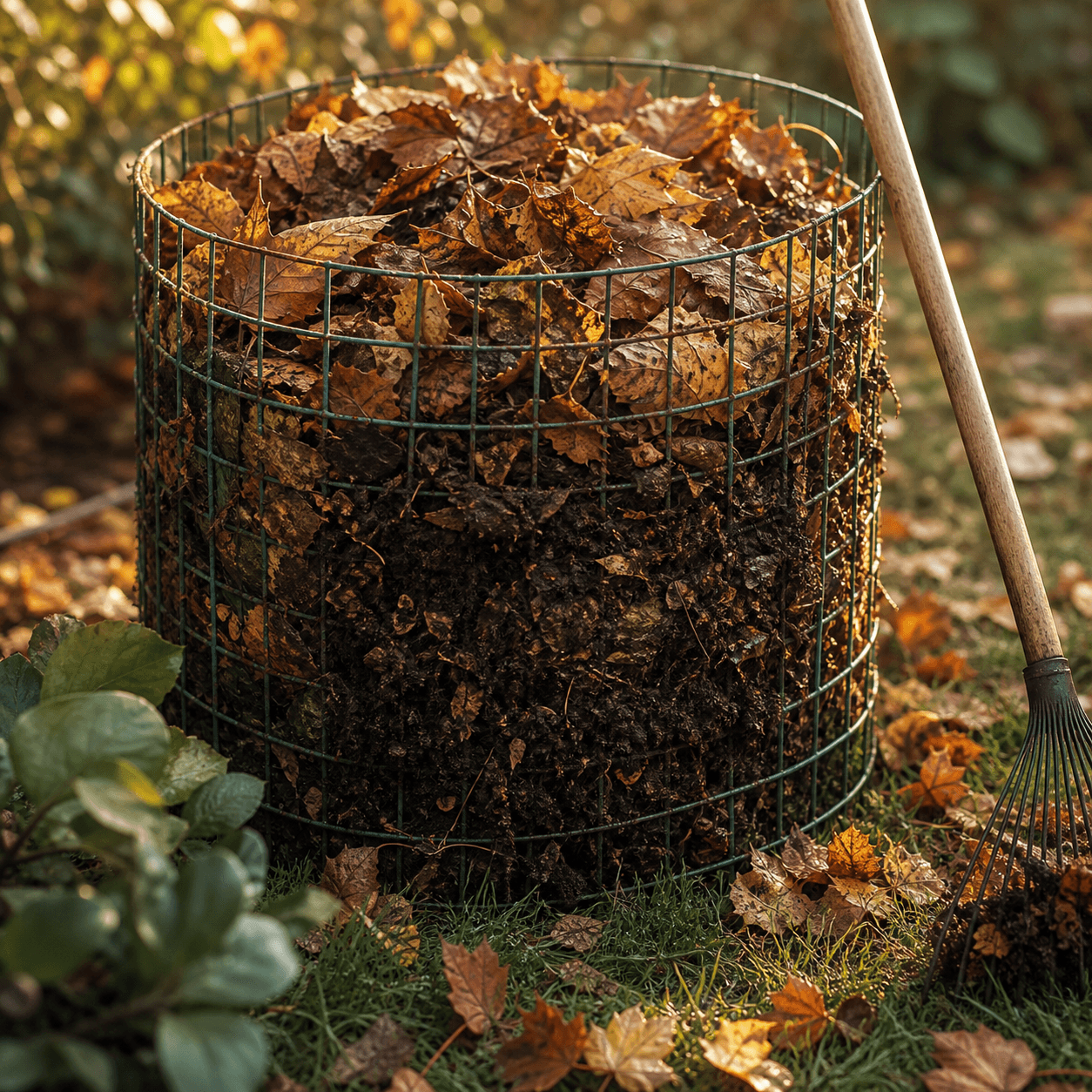
Think of cooked scraps as "greens" packed with nitrogen. Every time you add them, balance with a generous handful of "browns" like shredded cardboard, dry leaves, or sawdust.
How to Add Cooked Food the Right Way
Technique is the whole game here. Do these things and cooked food disappears without drama.
- Bury it in the center. Dig into the middle of the pile, drop the food in, and cover it completely. The hot core breaks it down fast and hides it from pests.
- Break it up. Tear bread and chop larger pieces so there's more surface area for microbes to work on.
- Layer with browns. Cover every food addition with two to three times as much dry, carbon-rich material to absorb moisture and prevent matting.
- Keep amounts modest. A cup or two mixed in beats dumping a whole casserole dish at once.
- Don't add starch to a cold pile. A pile that isn't heating up will let bread and pasta ferment and stink. Fix the pile first.
Better Options for Tricky Foods
If your setup can't handle cooked food, or you want to compost meat and dairy too, a couple of alternatives cover the gap.
- Bokashi: A countertop bucket that ferments all food waste, including meat and cheese, using bran inoculated with beneficial microbes. The pre-fermented result then gets buried or added to a pile.
- Municipal collection: Many US cities now offer curbside organics pickup that accepts all food scraps, including the ones your backyard bin can't take.
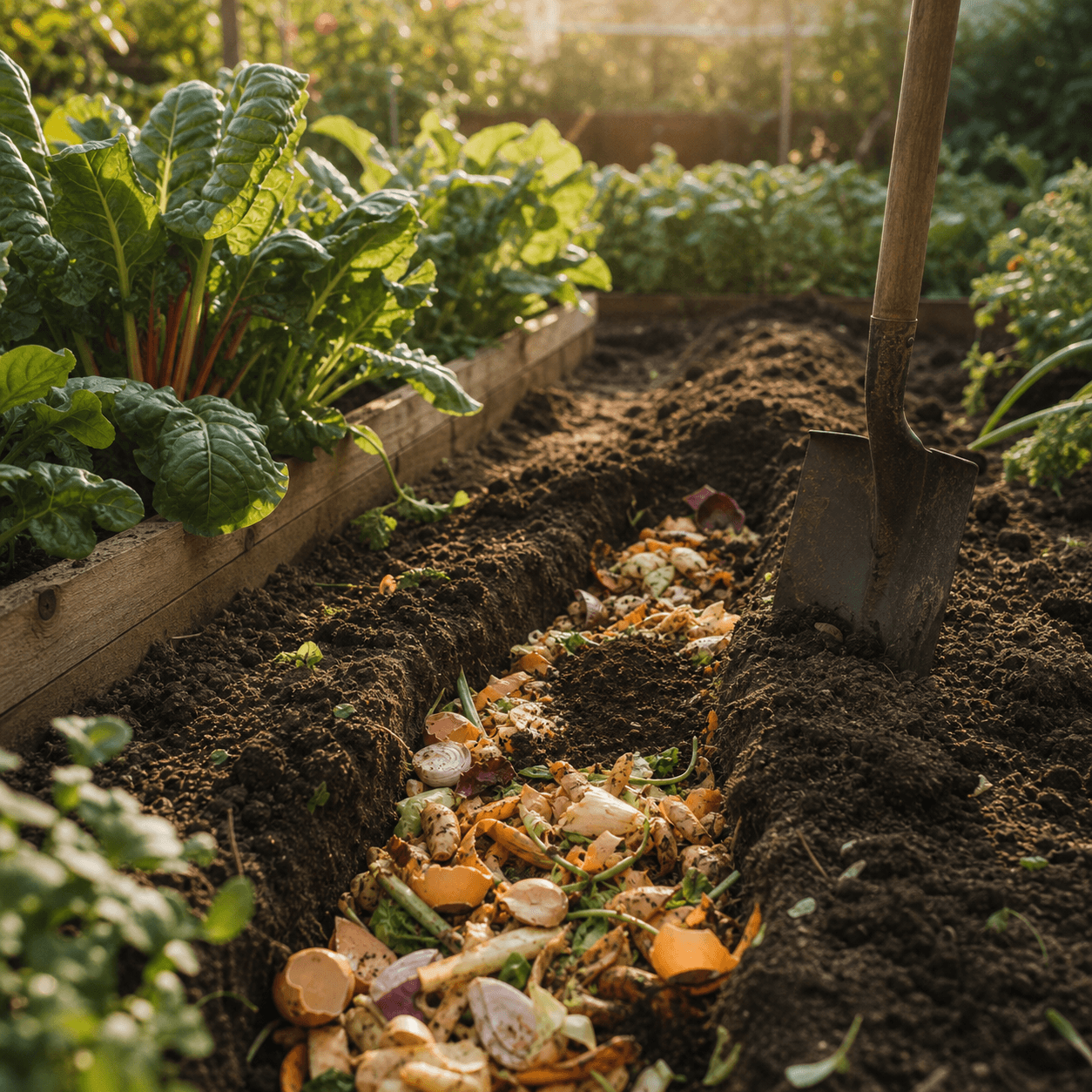
- Trench composting: Dig a hole a foot deep, drop in cooked scraps, and cover with soil. Buried that deep, even trickier foods break down out of reach of pests.
The bottom line is that bread, pasta, and cooked food are genuinely compostable, and keeping them out of the trash is worth the small effort. Bury them, balance them with browns, keep portions reasonable, and steer meat and dairy toward a system built to handle them. Do that, and last night's leftovers quietly become next season's garden soil.
Frequently Asked Questions
Can you compost cooked rice and pasta?
Yes, plain cooked rice and pasta are plant-based and compostable, and because cooking has already softened them they break down faster than many raw scraps. The main risks are pests and odor, so bury them in the center of the pile, cover generously with browns, and keep portions modest. Skip anything drenched in heavy, salty, or oily sauce.
Is it safe to compost bread that has gone moldy?
Yes, moldy bread is perfectly fine to compost, and the mold is simply decomposition getting a head start. The bigger concern with bread is that it clumps into dense, slimy mats that block airflow, so crumble or tear it into small pieces and mix it into the pile rather than dropping in a single wad.
Why should you keep meat and dairy out of a backyard compost pile?
Meat, fish, cheese, and butter generate strong odors and draw rodents, raccoons, and other animals, which is why most home guidance leaves them out. They are not impossible to compost, but an open backyard heap usually cannot handle them safely. A managed hot pile, a bokashi system, or municipal organics collection can process them instead.
How do you compost cooked food without attracting pests?
Dig into the middle of the pile, drop the food into the hot core, and cover it completely so it is hidden and breaks down fast. Break large pieces up for more surface area, layer two to three times as much dry browns over every addition, and keep amounts to a cup or two at a time. Avoid adding starchy food to a cold pile, since it will just ferment and stink.
What can I do with food scraps my backyard bin can't handle?
For meat, dairy, greasy foods, or more cooked scraps than your pile can take, a few systems fill the gap. Bokashi ferments all food waste in a countertop bucket using inoculated bran, many US cities offer curbside organics pickup that accepts everything, and trench composting lets you bury scraps a foot deep where even tricky foods break down out of reach of pests.
James Carter
Composting & Soil Specialist
James is a lifelong allotment grower who's happiest with a fork in a compost heap. He covers composting, soil health, and closing the loop in the garden. More from James →