What Can You Compost? The Complete Guide
A complete guide to what you can compost, broken down by category, so you always know what belongs in your backyard, worm, or Bokashi bin.
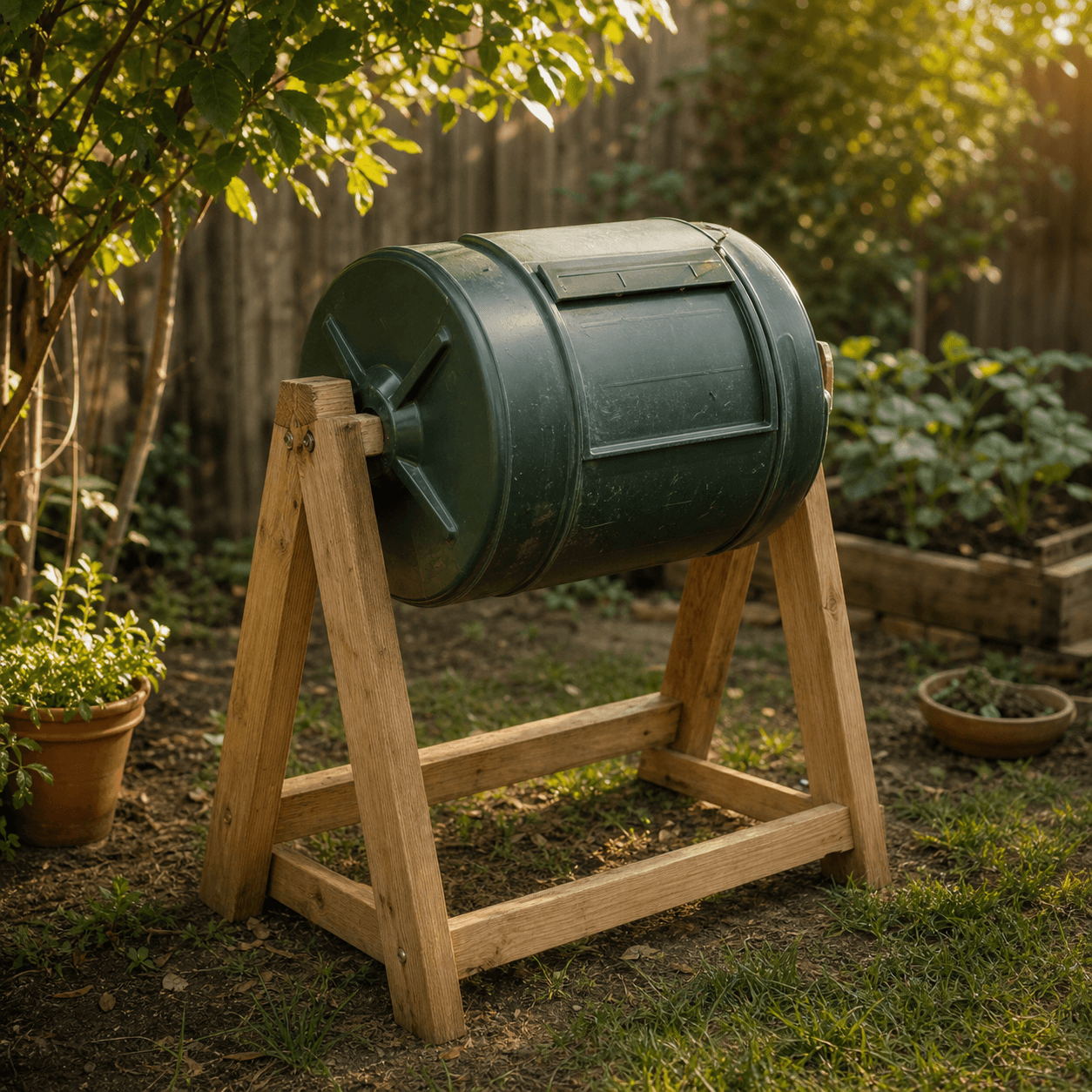
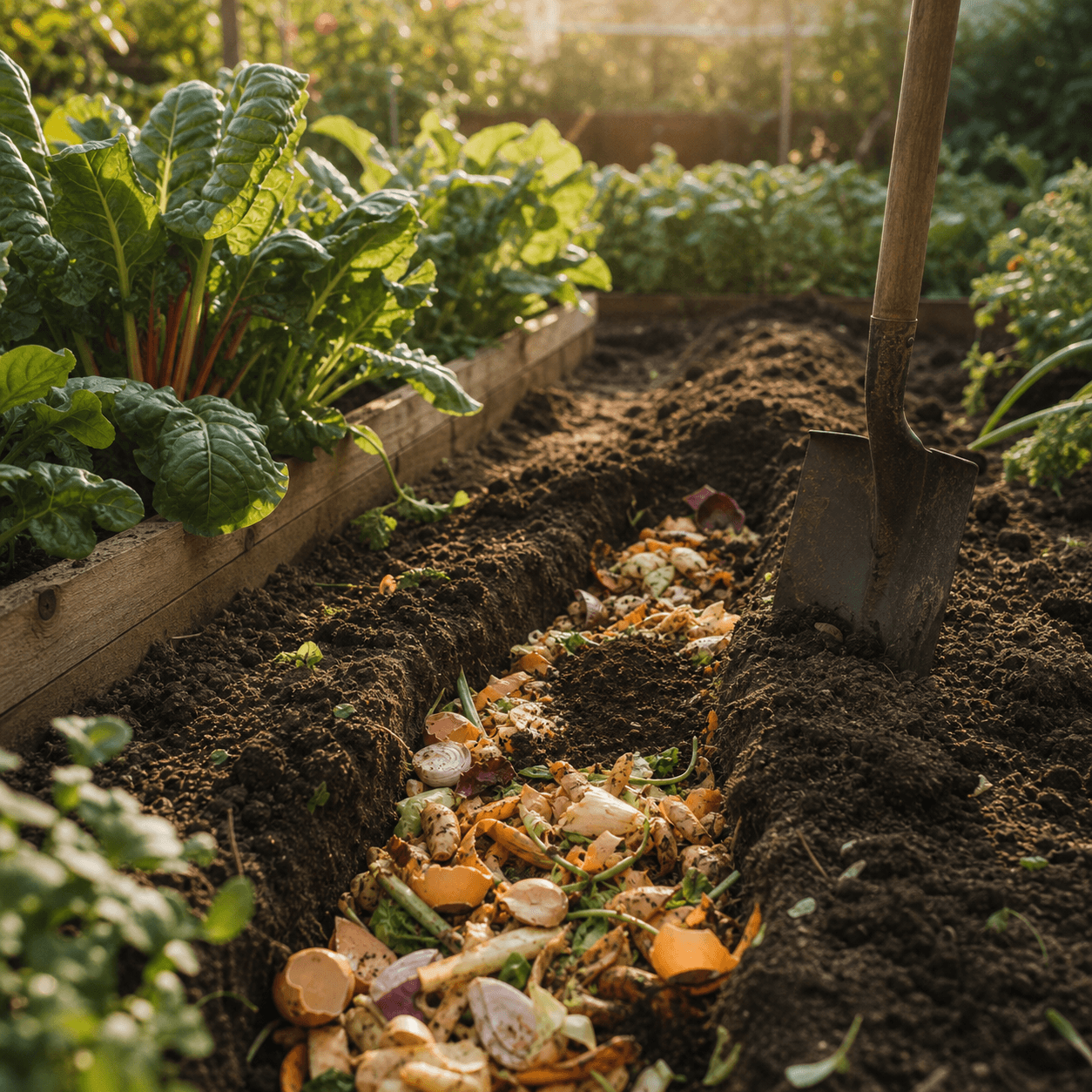
Honestly, "can I compost this?" is the question I get asked more than anything else, and I get why. The answer depends on your setup, and nobody wants to be the person who ruins a whole bin over one questionable avocado pit. So here's the most complete guide I could put together on what you can compost, sorted by category so you can stop Googling the same thing over and over.
Kitchen Scraps: Yes to Almost All of These
Your everyday kitchen scraps are the backbone of any compost pile, and the good news is most of them are fair game in any system.
- Vegetable peels, trimmings, and scraps
- Fruit skins, cores, and pits
- Coffee grounds and paper filters
- Loose leaf tea and plastic-free tea bags
- Crushed eggshells
- Stale bread, crackers, and plain cooked grains
- Nut shells (skip walnut, which can inhibit plants)
Chop the bigger, tougher items so they break down faster. A whole corncob will sit in your pile for the better part of a year, but a chopped one disappears in weeks.
Yard and Paper: Your Browns
Compost needs a balance of nitrogen-rich "greens" (your food scraps) and carbon-rich "browns." Browns keep the pile from turning into a slimy, smelly mess, so keep a stash handy.
- Dry leaves and small twigs
- Shredded cardboard and paper (no glossy coatings)
- Plain paper towels and napkins
- Sawdust from untreated wood
- Straw and dried grass clippings
The single fix for almost every compost problem is more browns. Too wet, too smelly, too many flies? Bury the pile in shredded leaves or cardboard and it usually sorts itself out within a day or two.
The "It Depends on Your System" List
This is where people trip up. Some materials are fine in one setup and a disaster in another.
Backyard Pile
Stick to plant matter, and leave out anything greasy or animal-based. Meat, dairy, and oily leftovers attract pests and go rancid before they break down.
Worm Bin
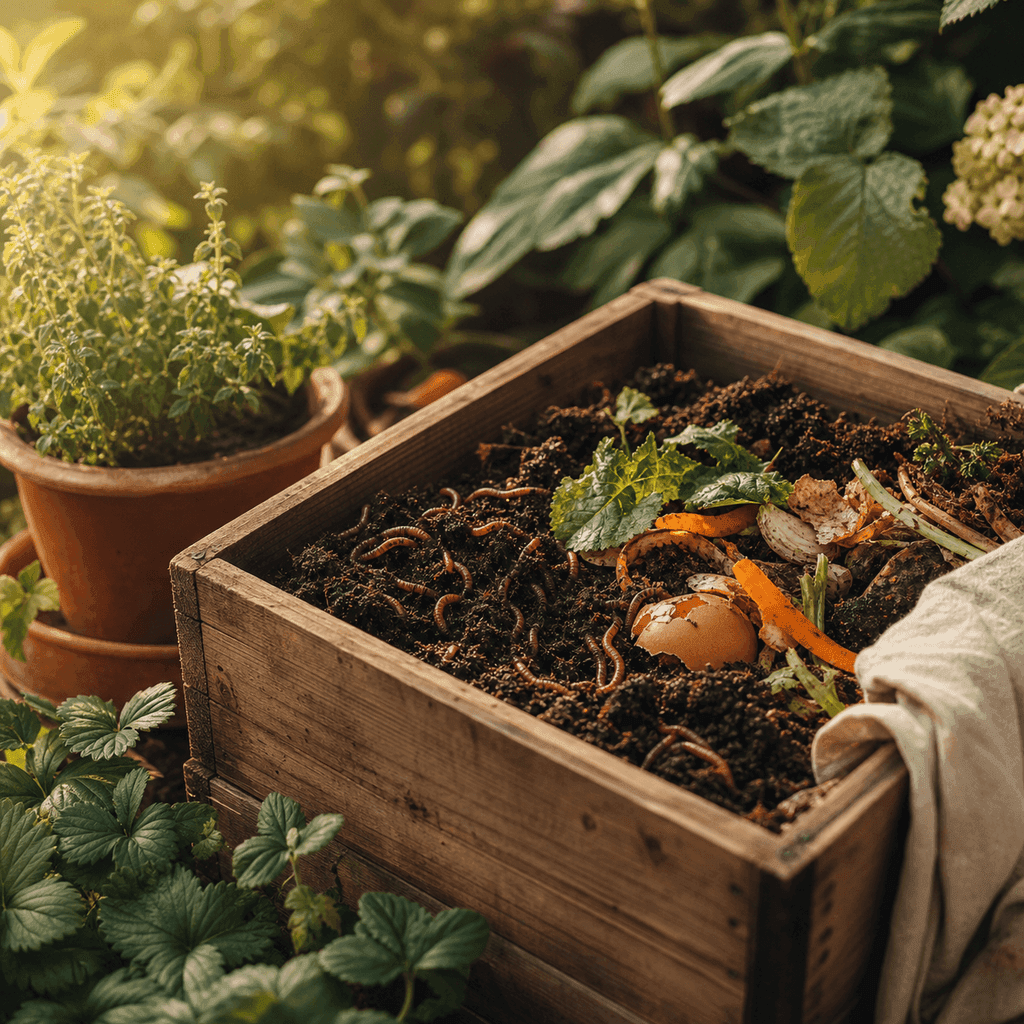
Worms are picky eaters. They love soft fruit and vegetable scraps but hate citrus, onion, garlic, and spicy foods, which irritate them. Feed in small amounts and let them catch up.
Bokashi Bucket
This is the workhorse for tricky stuff. Because Bokashi ferments rather than rots, it can handle meat, dairy, and cooked leftovers that would wreck a backyard pile.
What to Keep Out
A few things genuinely don't belong in home compost, no matter your setup:
- Meat, fish, and bones (unless you're running Bokashi)
- Dairy and greasy or oily foods
- Pet waste from dogs and cats
- Diseased plants or weeds gone to seed
- Anything labeled "compostable" plastic, which usually needs an industrial facility
- Coated or glossy paper and stickers on produce
Those produce stickers are sneaky. They're plastic, they don't break down, and they end up as little confetti scattered through your finished compost.
Building Good Habits
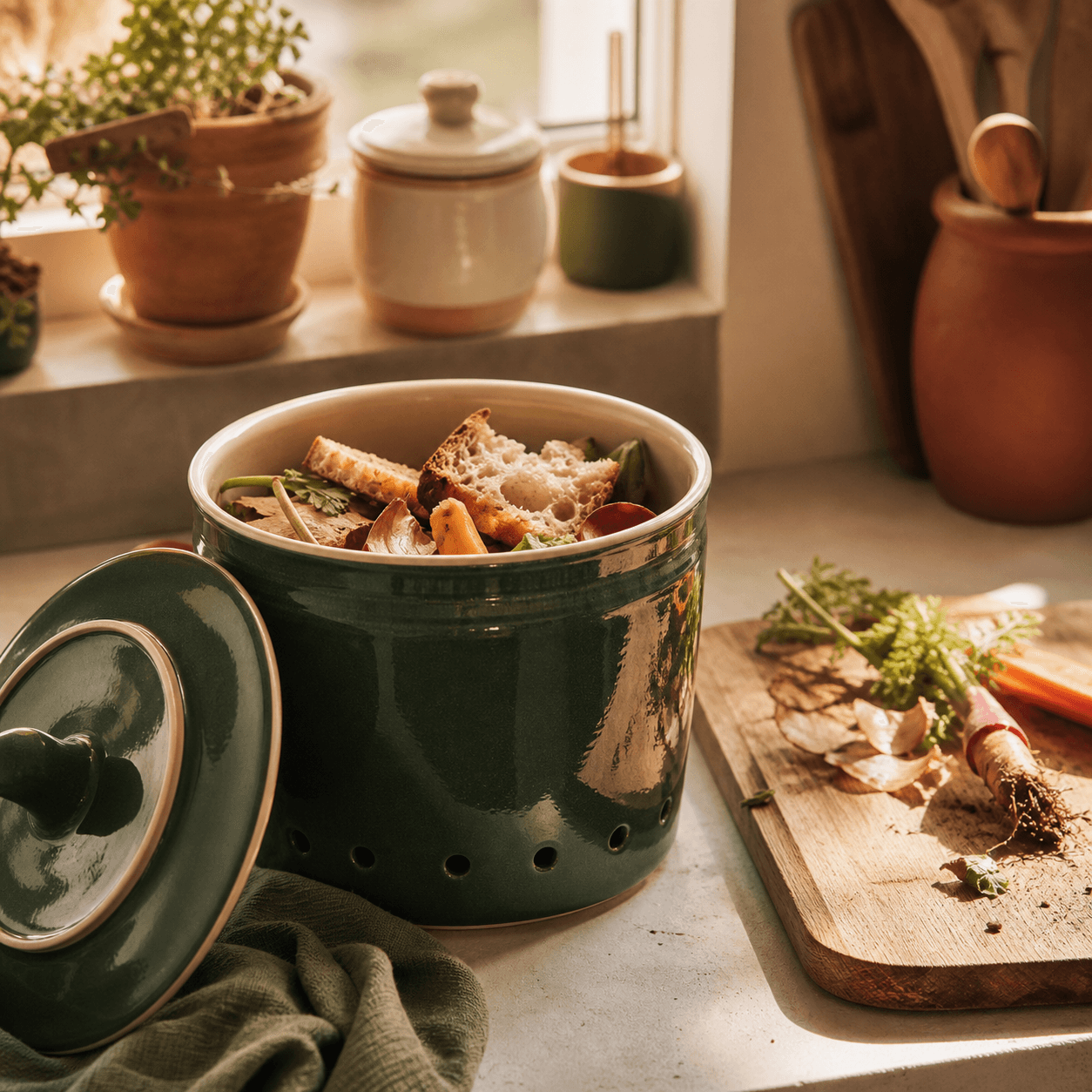
Keep a small lidded bin on your counter and empty it every couple of days. Layer greens and browns roughly two-to-one by volume, keep the pile as damp as a wrung-out sponge, and give it a turn now and then for air.
Do that, and within a few months you'll have dark, crumbly compost your garden will genuinely love. The list of what you can compost is long, but the rhythm is simple once it becomes routine.
Frequently Asked Questions
Can you compost citrus peels, onions, and garlic?
In a backyard pile, small amounts of citrus, onion, and garlic are fine and will break down over time. In a worm bin, leave them out, because worms are irritated by citrus, onion, garlic, and spicy foods. If you rely on worms, feed them soft fruit and vegetable scraps and send those sharper items to a regular pile instead.
Can you put bread and cooked grains in a compost bin?
Yes, stale bread, crackers, and plain cooked grains compost freely in most systems as nitrogen-rich greens. Bury them in the pile rather than leaving them on top so they do not attract pests. Avoid pieces heavy with butter, oil, or sauce, since greasy foods go rancid and cause problems in a backyard bin.
Are the little stickers on fruit and vegetables compostable?
No. Those produce stickers are plastic, they do not break down, and they end up as confetti scattered through your finished compost. Peel them off before scraps go in the bin, and do the same for any glossy or coated paper.
Why can't you compost meat, fish, and dairy in a backyard pile?
Meat, fish, bones, and dairy attract rodents and other pests and tend to go rancid and smelly before they fully break down in an open pile. A Bokashi bucket is the exception, because it ferments waste in a sealed container and can handle those items. In any standard backyard or worm system, leave them out.
Can you compost eggshells and nut shells?
Yes, crushed eggshells and most nut shells compost well and add slow-release minerals to the pile. Crush the eggshells and chop tougher shells first so they break down faster. Skip walnut shells, though, since walnut contains a compound that can inhibit some plants.
James Carter
Composting & Soil Specialist
James is a lifelong allotment grower who's happiest with a fork in a compost heap. He covers composting, soil health, and closing the loop in the garden. More from James →